
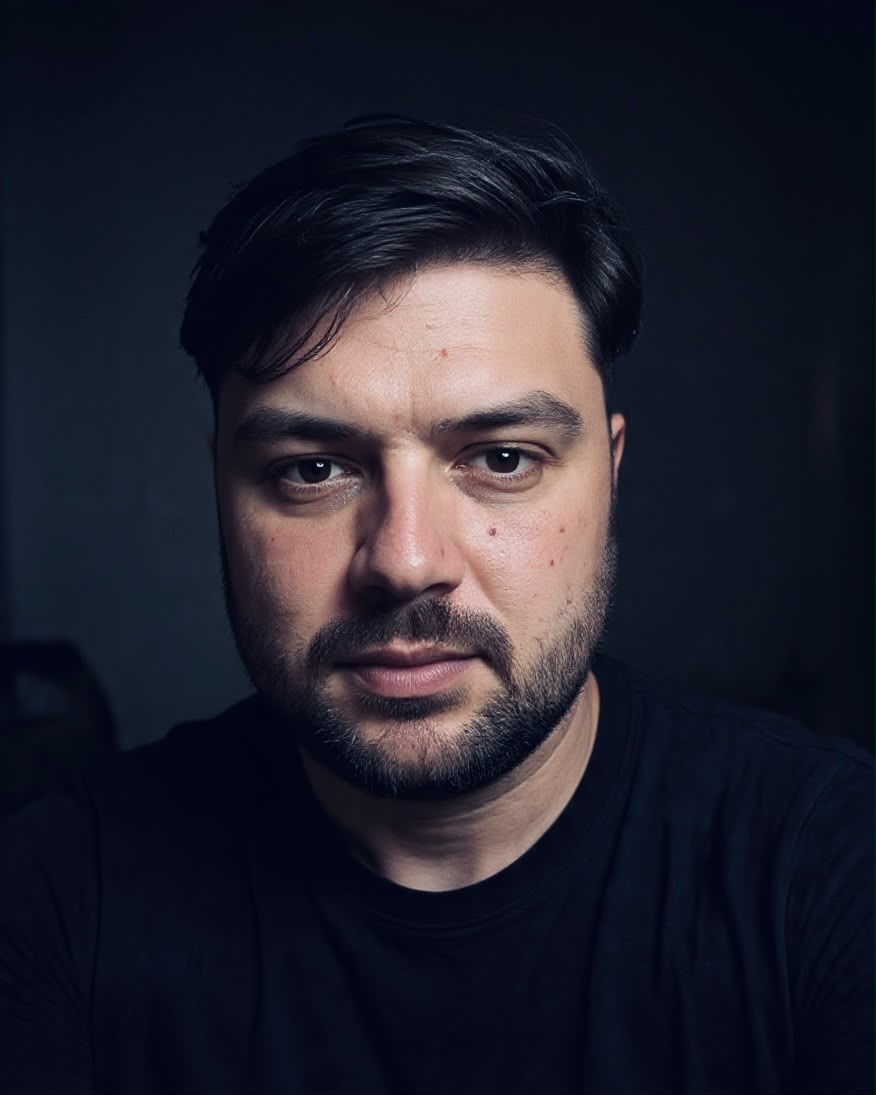
Deniz Mayasilci
Germany, 1993
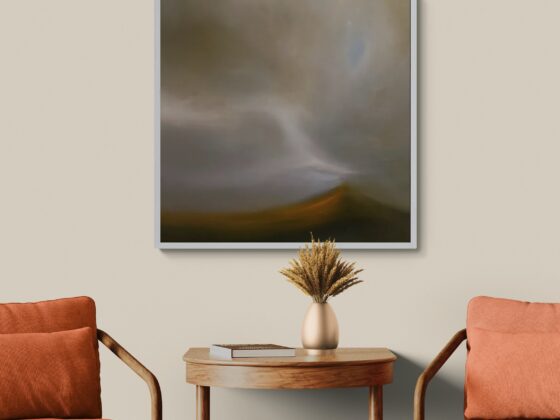
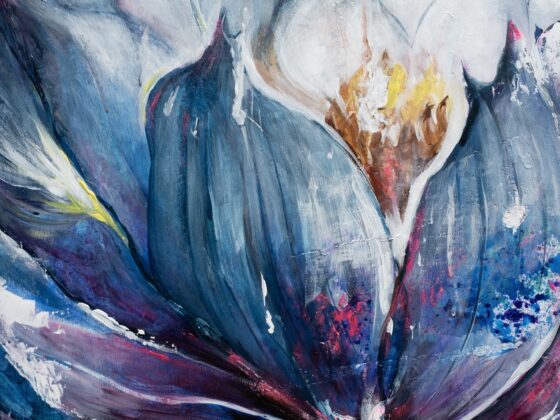
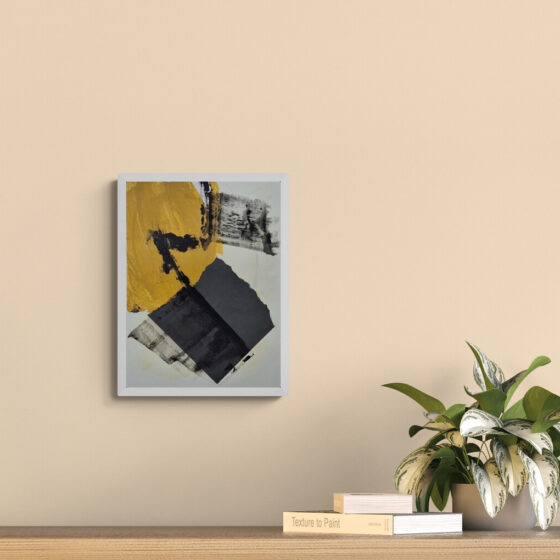
I work within a material language shaped by mineral surfaces, structural tension, and slow processes of change. Pigments, washes, and matte textures form the foundation of my practice. Through layered, earthy fields and condensed, angular zones, I create atmospheres where density, erosion, and transformation become visible.
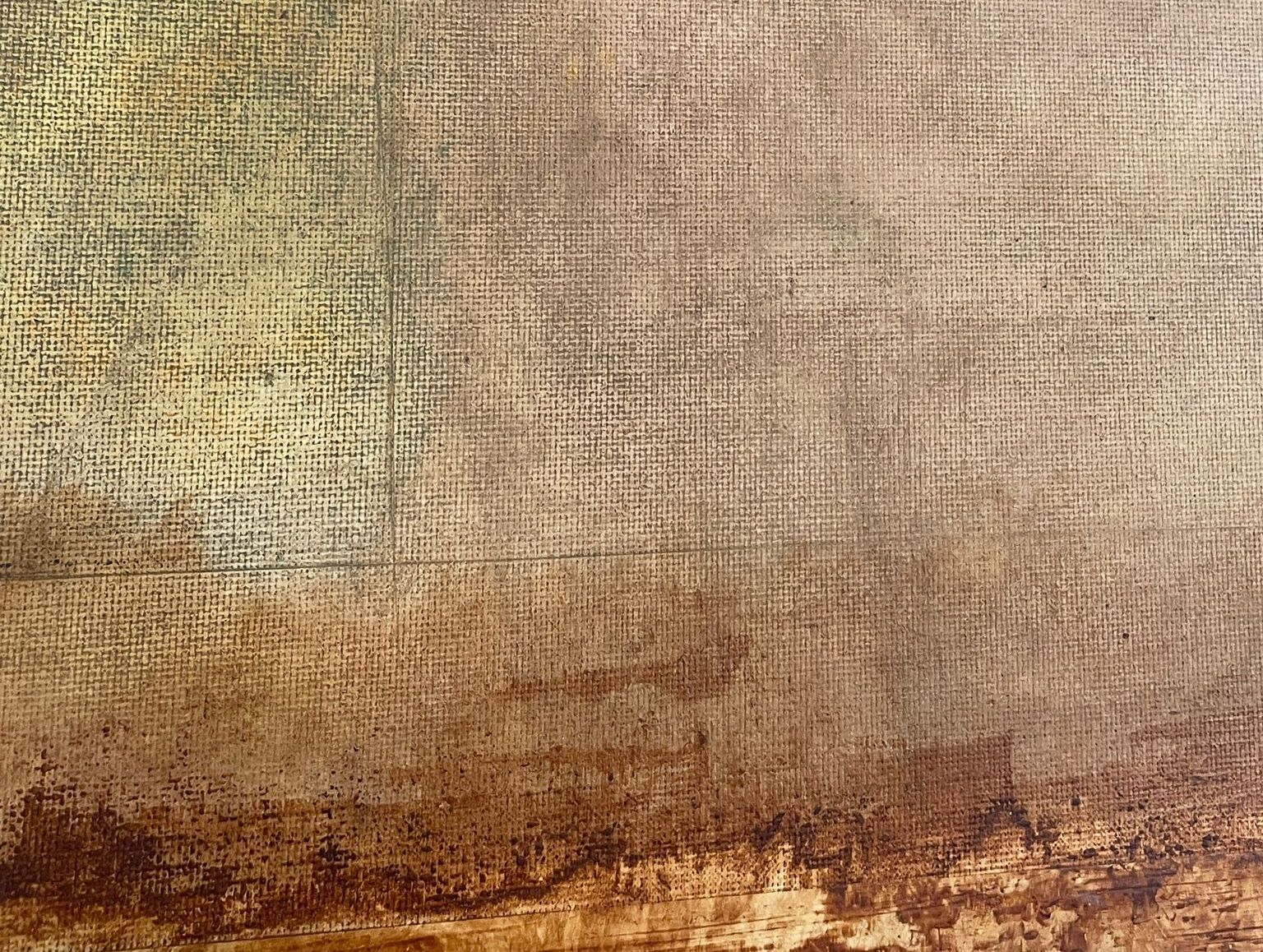
I explore how surfaces accumulate traces — abrasion, deposits, fractures, and compression. These marks are not disruptions but extensions of the same material logic: evidence of use, time, and decay embedded in the surface.
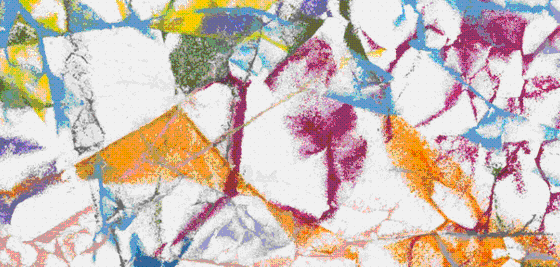
My work moves between organic transitions and precise, constructed edges. Geometric structures, sharp lines, and open fields coexist in a tension that defines my visual language. This interplay of stillness, hardness, clarity, and slow material movement forms the core of my practice.
The result is an open system in which different material states and structural poles can coexist — connected through a shared vocabulary of minerality, structure, and temporal depth.
CV
Bio
Deniz Mayasilci (b. 1993, Germany) is a contemporary abstract artist whose practice is shaped by mineral surfaces, structural tension, and industrial material logic. He studied Mechatronics at the University of Applied Sciences Karlsruhe, a background that informs his precise, process‑driven approach to surface construction and transformation. Mayasilci lives and works in Karlsruhe, Germany.
Education
- B.Eng. Mechatronics, University of Applied Sciences Karlsruhe
- Abitur, Germany
CONCEPTS & MORE
Weathered Surfaces
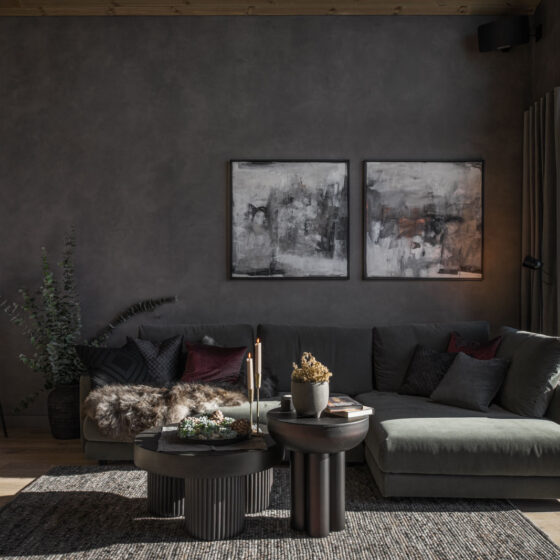
The Series “Weathered Surfaces” explores the quiet presence of time within mineral and industrial materials. Layers, abrasion, sediment-like deposits, and structural interventions create surfaces that resemble traces of natural and man‑made processes. Earthy tones, muted whites, rust accents, and geometric fragments generate a tension between organic erosion and constructed order.
The series examines how surfaces carry history — not through narrative, but through material. Each work becomes a fragment of a larger topography where permanence and decay coexist.