
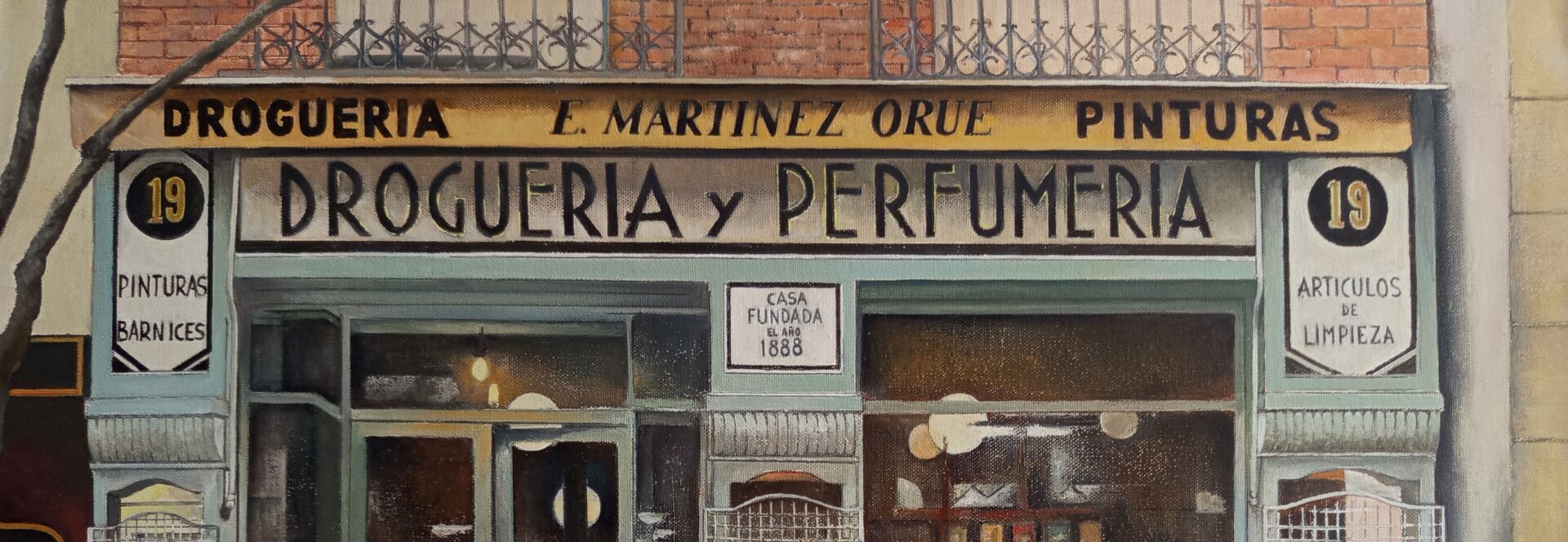
Facade design in architecture is a critical element that significantly influences the aesthetic appeal and character of buildings. Paintings, as an artistic medium, offer an innovative approach to facade design, integrating visual art with structural creativity.
Historically, painted facades have been used to beautify and embellish buildings, reflecting cultural values and artistic movements. In ancient civilizations, such as the Greeks and Romans, buildings were often adorned with frescoes and murals that depicted mythological scenes or celebrated the achievements of societies. During the Renaissance, the use of trompe-l’œil techniques created an illusion of depth and dimension, transforming flat surfaces into vibrant, three-dimensional art forms. These early examples highlight the interplay between art and architecture, where paintings enhanced the facade’s appeal while conveying deeper narratives.
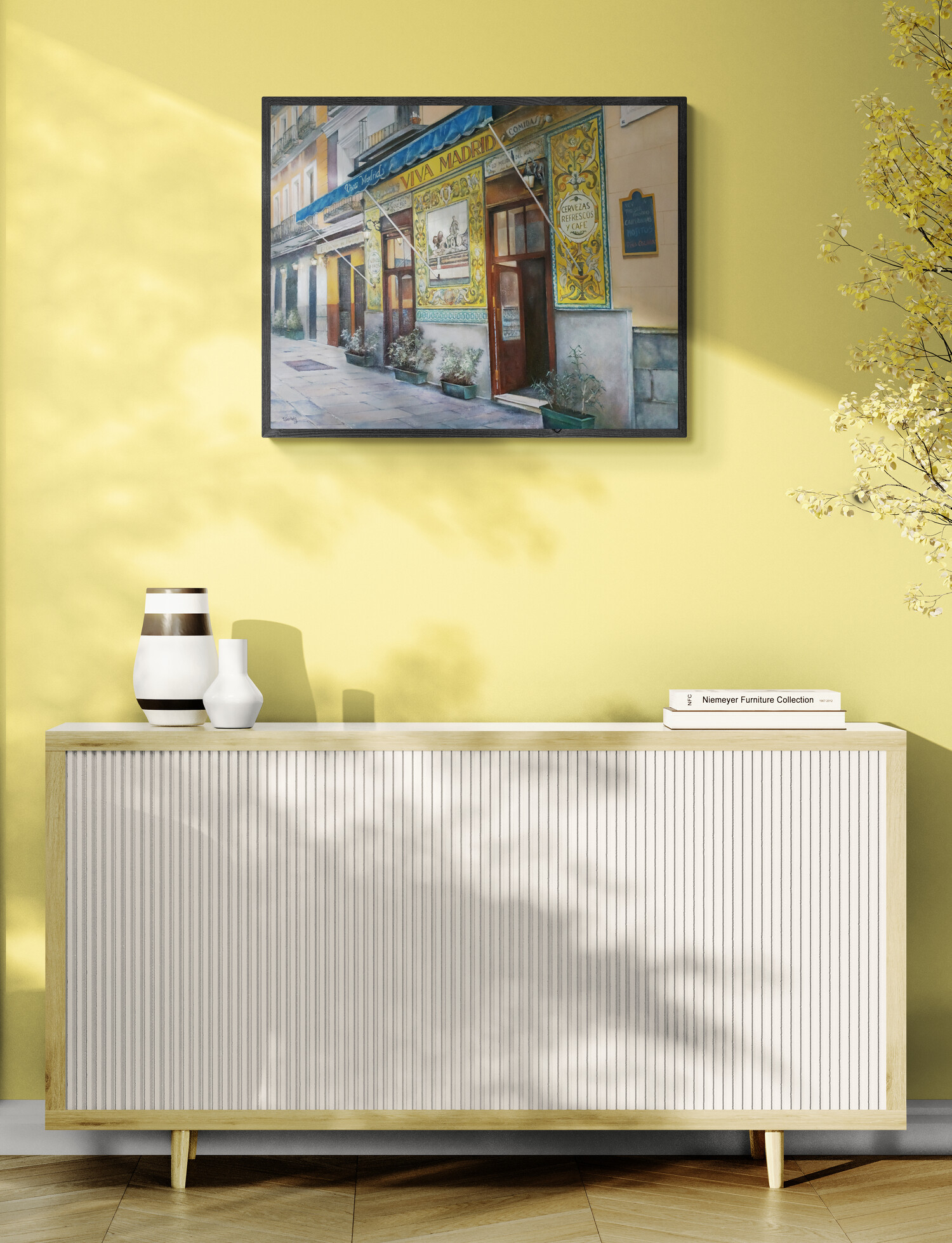
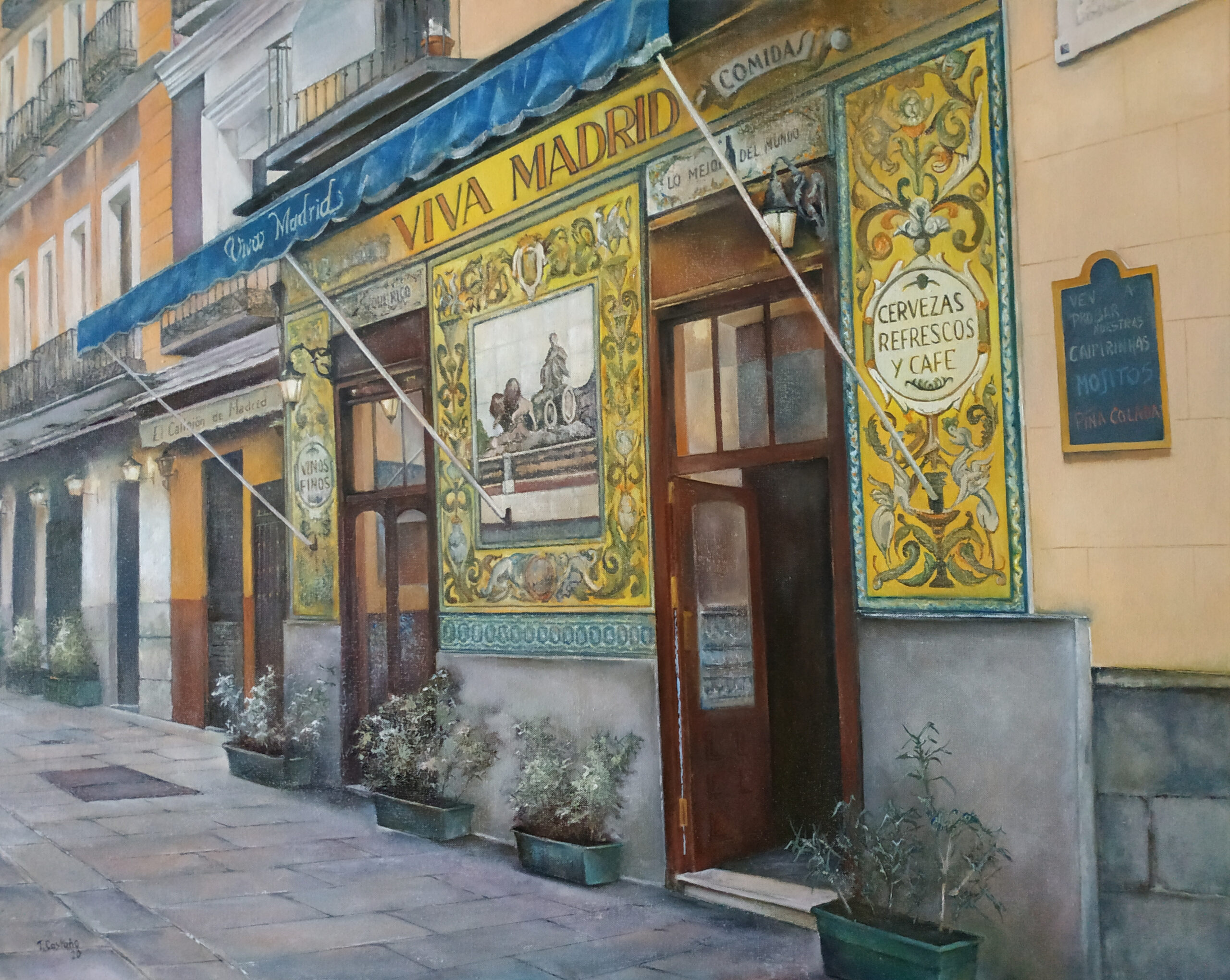
TOMAS CASTANO
Viva Madrid pub
Oil on canvas
Dimension: 92x73x2 cm
Year: 2020
€ 4500
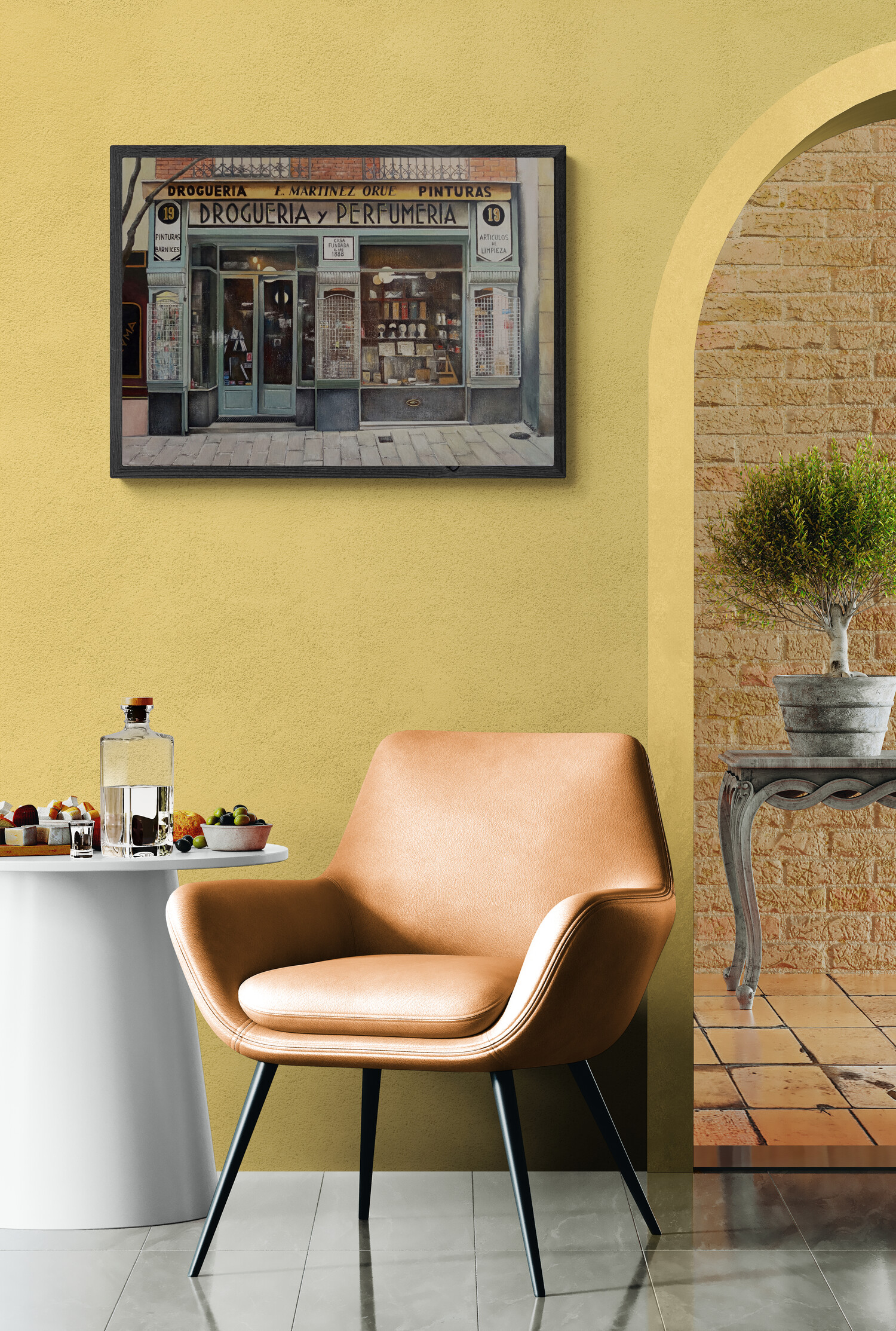
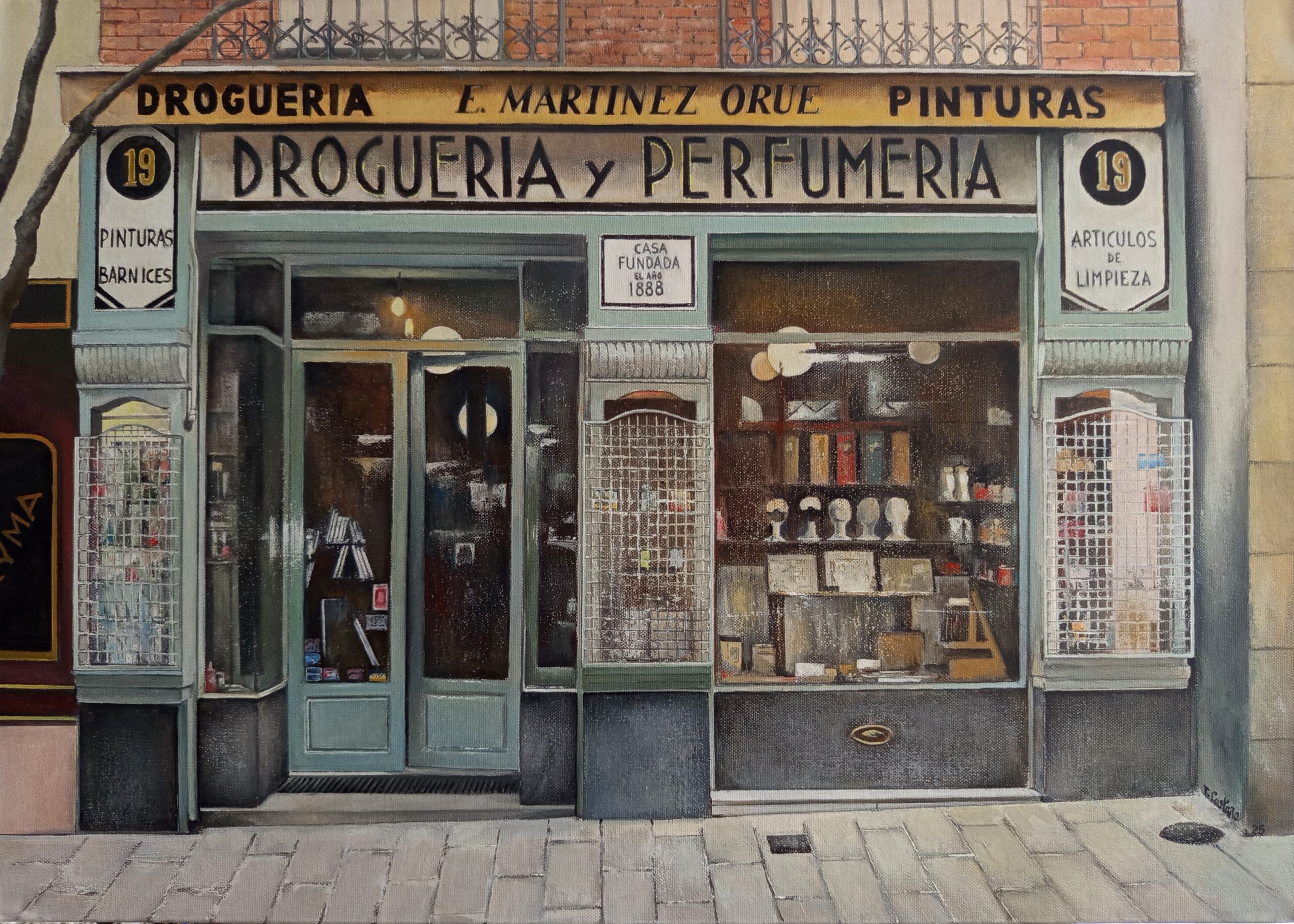
TOMAS CASTANO
Drogueria E. Martinez- Madrid
Oil on canvas
Dimension: 70x50x2 cm
Year: 2025
€ 4000
In contemporary architecture, painted facades continue to serve as a canvas for artistic expression. Artists and architects collaborate to create visually engaging designs that challenge the conventional perceptions of exterior surfaces. This modern trend emphasizes the use of bold colors, abstract patterns, and graphic designs that reflect the dynamic urban environment. Such painted facades not only add character to buildings but also contribute to urban regeneration by revitalizing neglected areas and fostering community engagement.
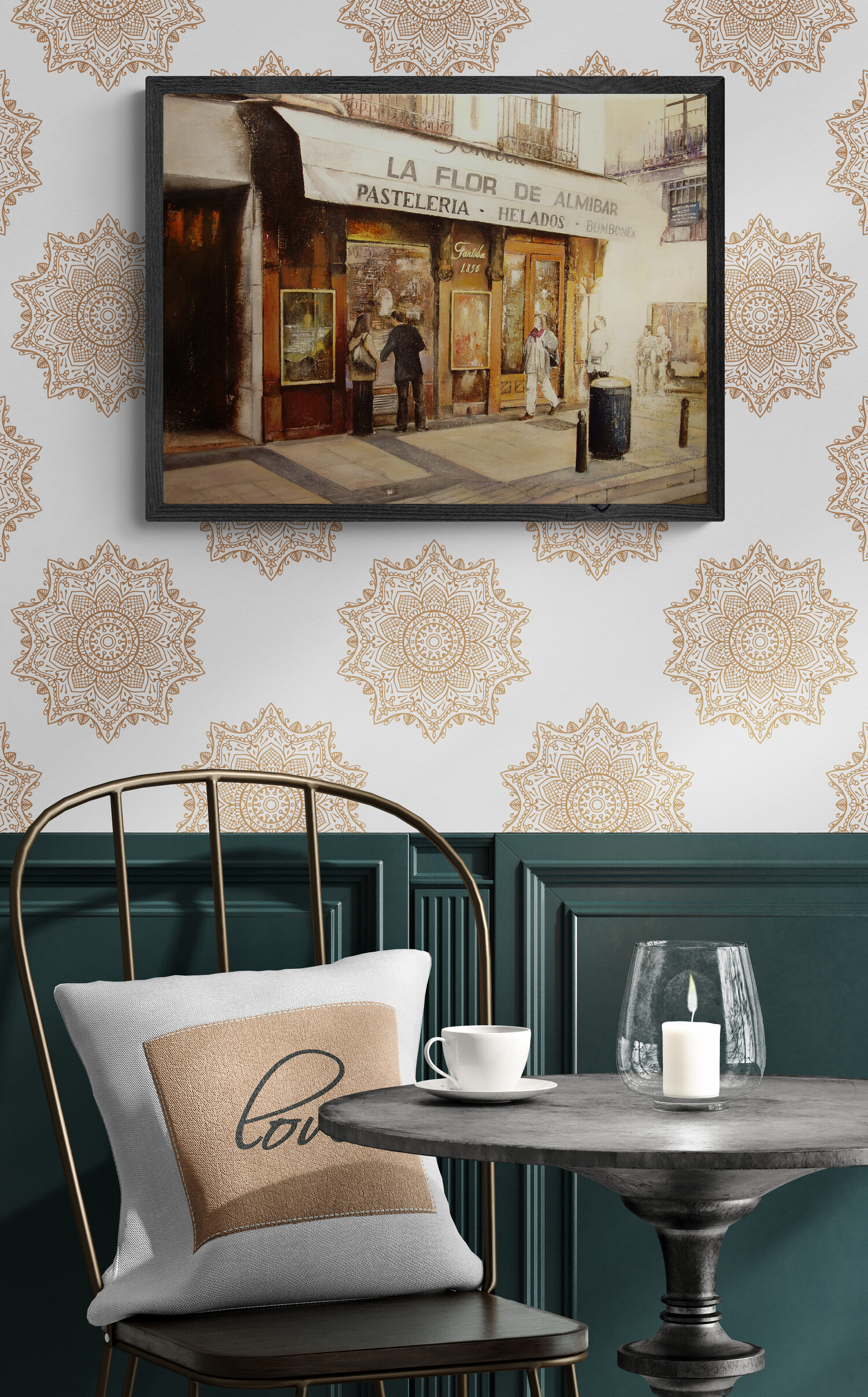
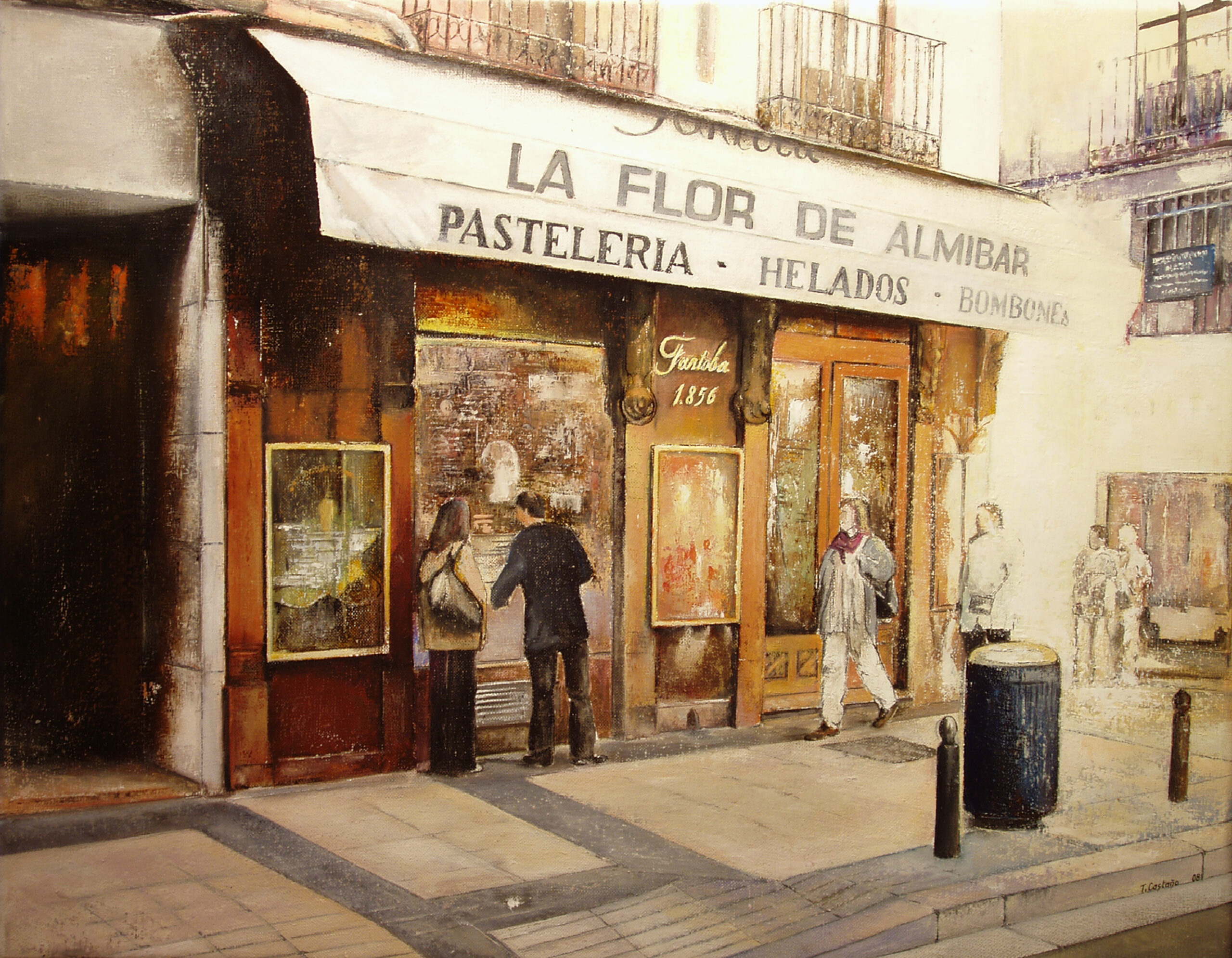
TOMAS CASTANO
La Flor de almibar-Zaragoza
Oil on canvas
Dimension: 61x46x2 cm
Year: 2008
€ 2800
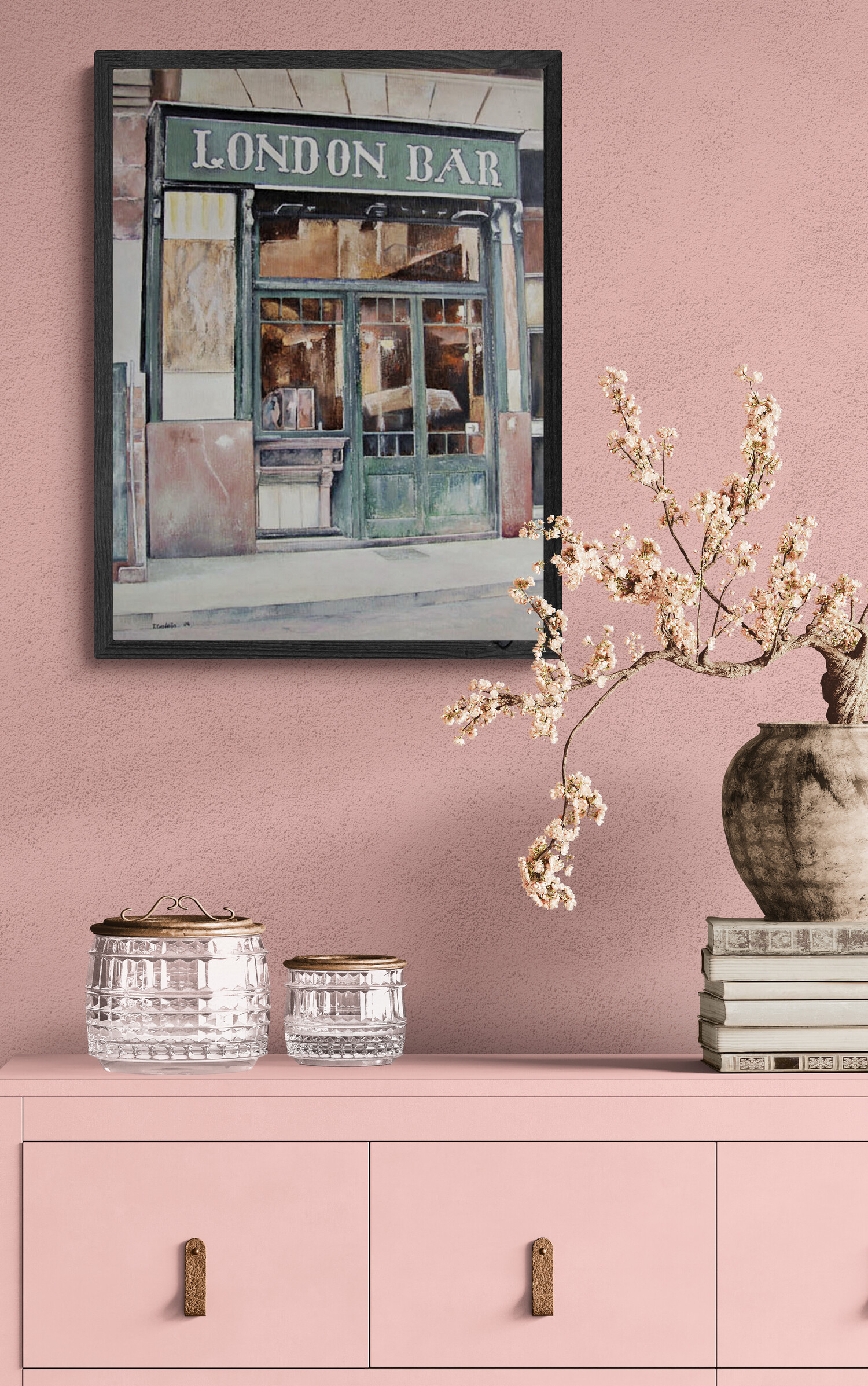
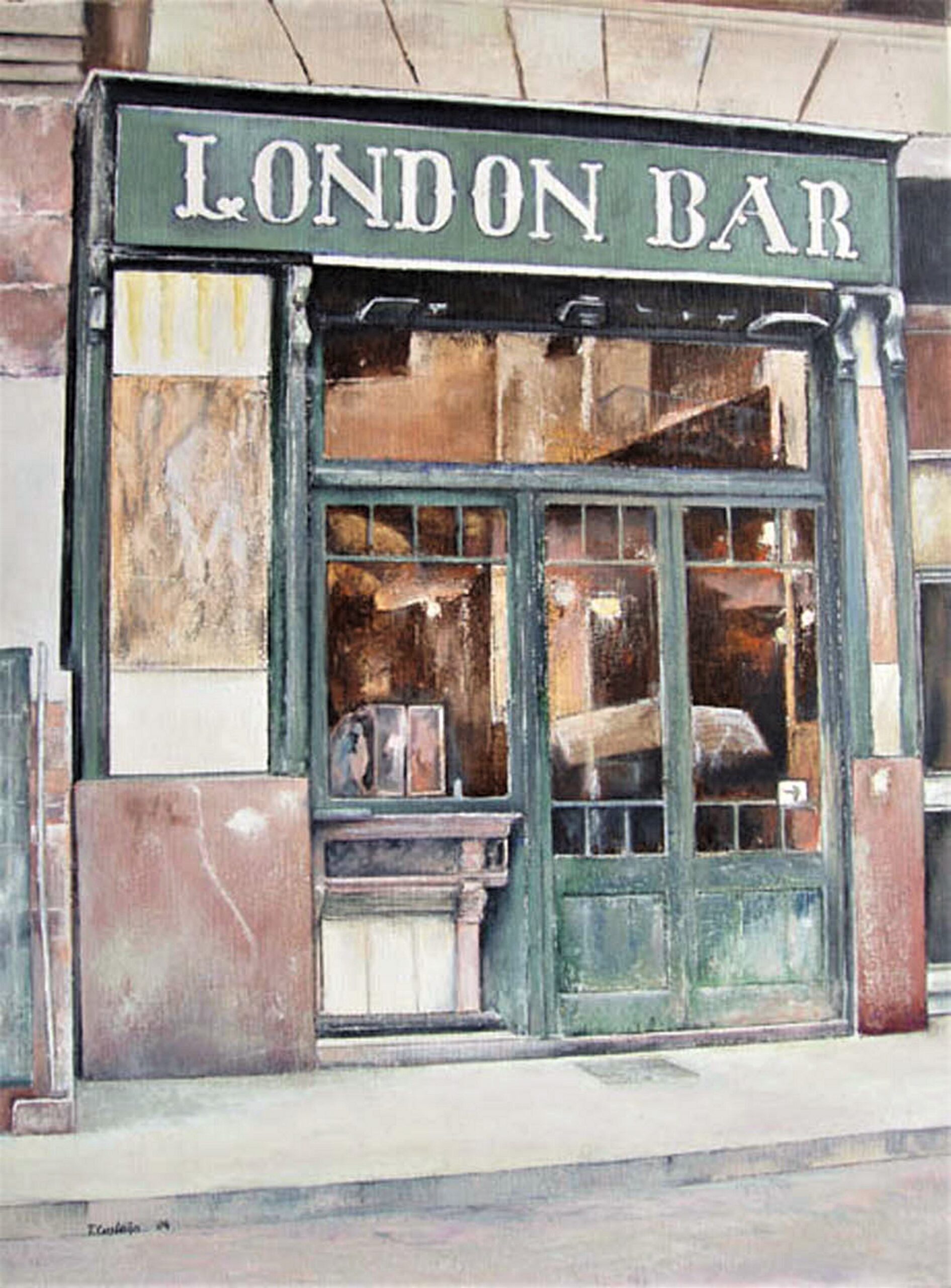
TOMAS CASTANO
London Bar-Barcelona
Oil on canvas
Dimension: 46x61x2 cm
Year: 2004
€ 2800
In conclusion, paintings in facade design represent a fusion of art and architecture, offering both aesthetic and functional benefits. From historical frescoes to contemporary graphic murals, painted facades enrich the built environment, reflect cultural narratives, and promote sustainable practices. As cities continue to evolve, the role of painted facades will undoubtedly grow, serving as vital elements in the dialogue between urban spaces and artistic expression.
Curated by