
Andrea Papi, a professor at the Academy of Arts and New Technologies in Rome, began his career as a Visual Designer, transforming into a Concept Artist to give vent to ideas that were too conceptual for the marketing sector.
After a classical education, he chooses studies related to advertising communication and then graphics & publishing, embarks on a career as a Visual Designer, initially working for communication studios and then developing a freelance career. As a designer he has developed projects for large brands such as NIKE or IKEA and for more local entities such as university institutions or companies in the furniture and fashion sector.

Andrea Papi landed in the world of art to give vent to those ideas that were too conceptual and exuberant for the world of marketing with which, as a visual designer, he had to interface professionally.
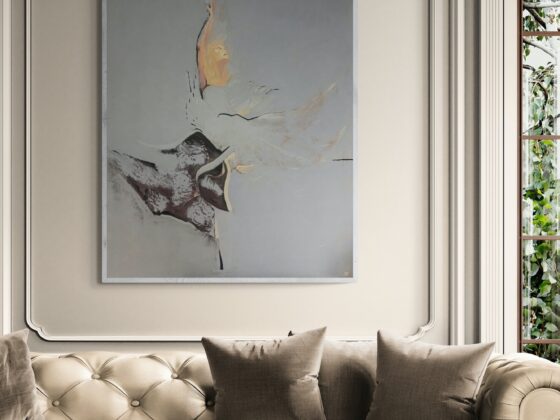
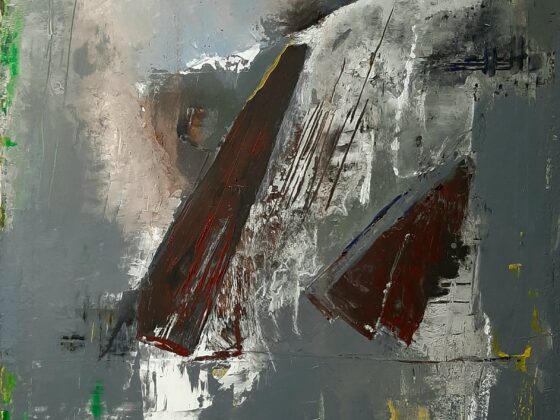
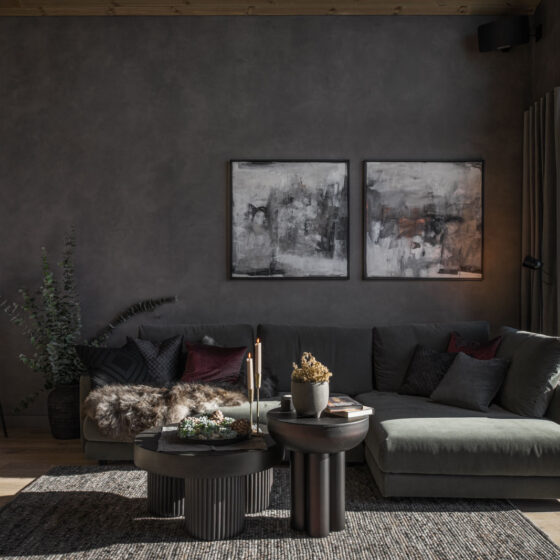
Papi’s works are an expression of divergent thinking, which he practiced for a long time in his career, and a demonstration of a subtle critical gaze. Each artistic manifestation of the author, in addition to exhibiting a fascinating aesthetic sense, contains within itself a concept, a message that induces reflection, a look at reality outside cultural patterns and limits.
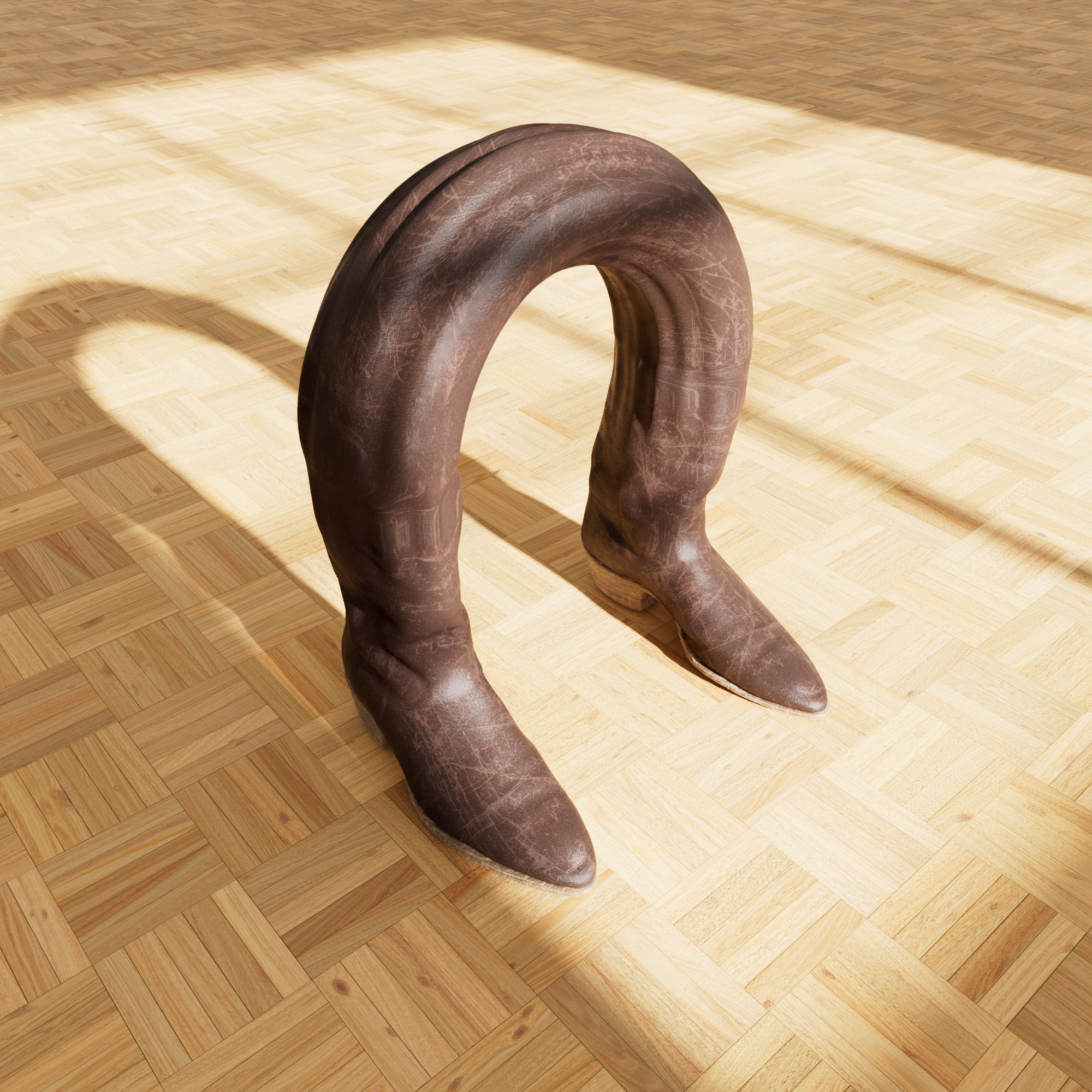
One of Papi’s notable philosophies is encapsulated in his belief that art should challenge the monotony of daily life. He asserts that art has the profound capacity to transcend cultural conditioning, inviting audiences to engage with a liberated perspective of reality. This ideology is reflected in his creations, which often feature modern ready-made elements. By repurposing familiar objects, he imbues them with new meanings, prompting reevaluation of their inherent purpose.
Quoting the author: “[…] art has within itself the important task of going beyond the threshold of everyday life, of bringing the gaze beyond cultural conditioning, looking out onto a panorama free from preconceptions; to bring the mind back to primordial elasticity and train the thought to remain free to interpret reality and experience without contamination; to fuel the imagination. […]”
Frequently, in fact, Papi’s works are a modern ready-made in which commonly used objects have their function changed, are modified and fused together, or given a meaning that is usually inappropriate for their purpose, calling into question the obvious.
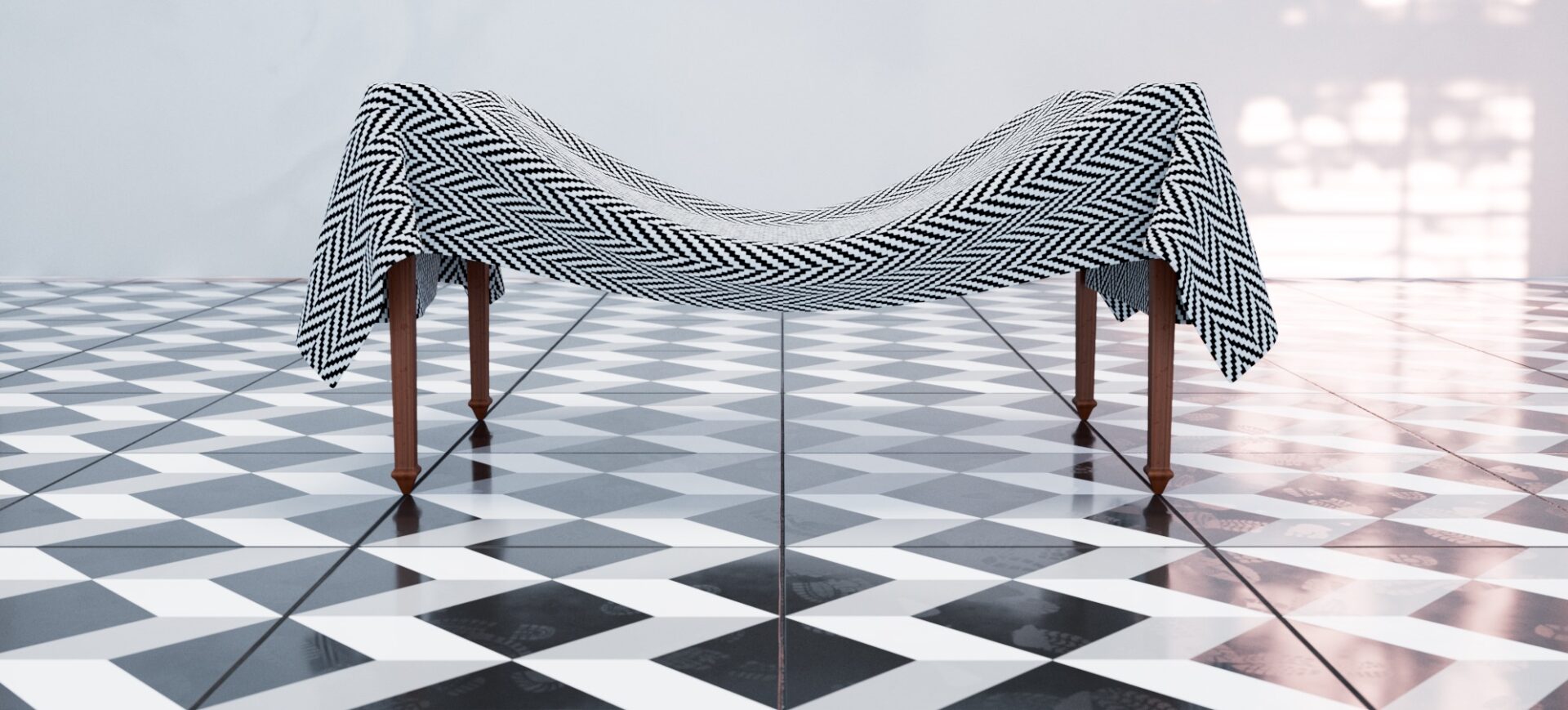
An example of this concept is a sculpture called “Italian design“, a table made of four wooden legs and a tablecloth.
The tablecloth that tries to hide the incompleteness of the table highlights its lack, but, at the same time, the absence of the table makes the table more beautiful, transforming a design object into a work of art. This work summarizes the peculiarity of Italian ingenuity, capable of expressing itself at its best the fewer resources it has available.
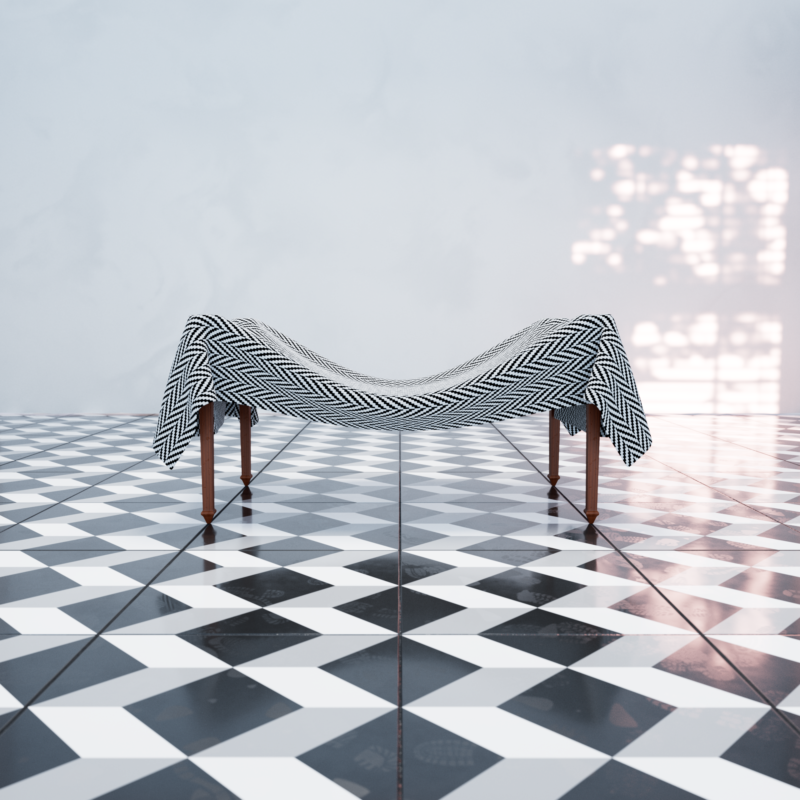
Italy is famous for its design, especially in the furniture sector, both in terms of modern style and antiques and artisanal manufacturing. The economic crisis that has hit Europe has also sunk Italian design, which sinks like the tablecloth in this work.
Another work in this series is “Neoplasia funzionale“. For the artist, the tumor masses deform objects. “Design” is sick with capitalism. This work criticizes the pollution brought by the capitalist system of overproduction in the product design sector, staging unusable objects due to disproportions caused by the tumorous growth of some of their elements.
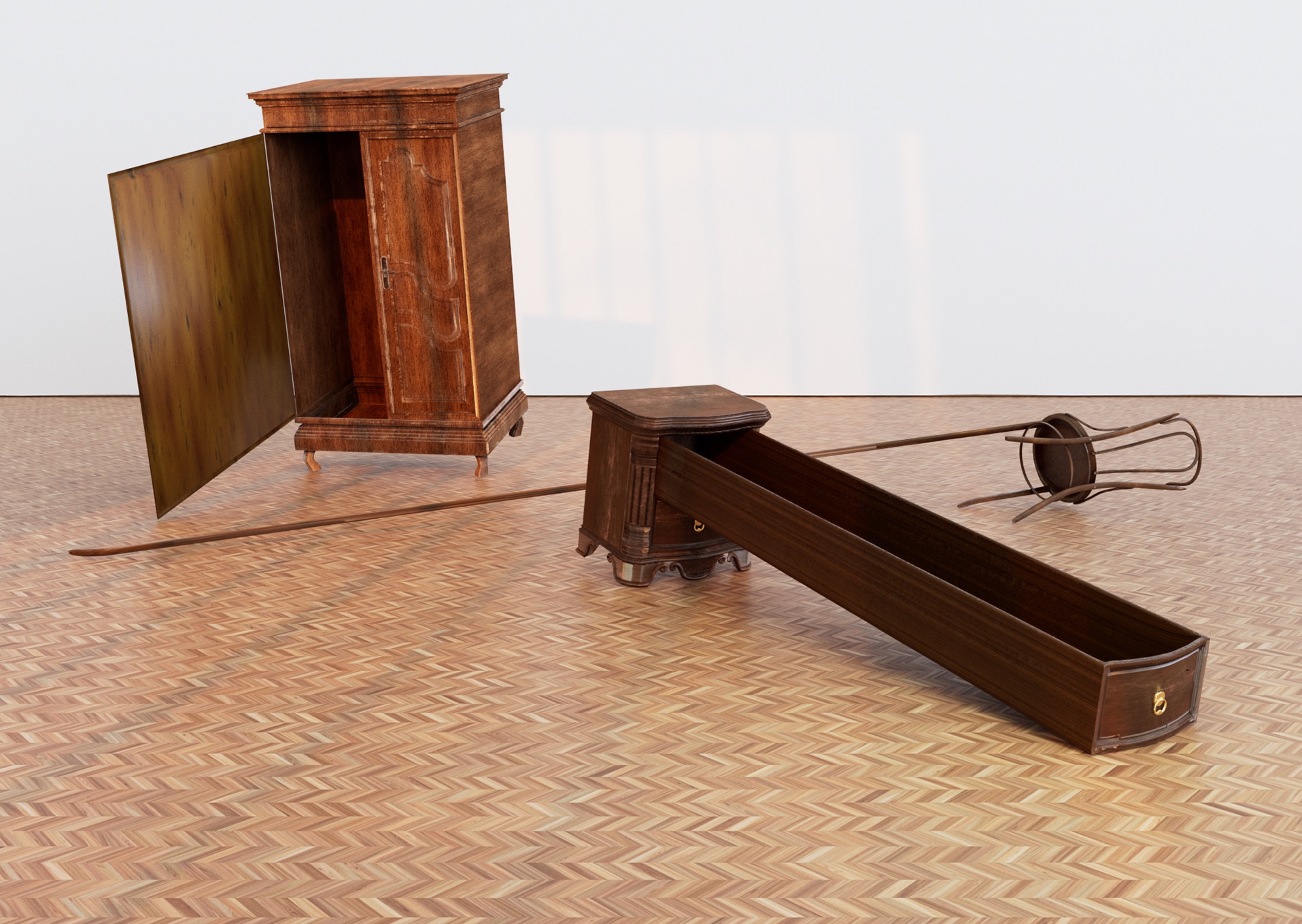
Through his intriguing blend of conceptual exploration and aesthetic beauty, Andrea Papi continues to redefine the limits of art, encouraging us to engage with the world around us in a more profound way.
Beyond merely serving aesthetic purposes, his works provoke contemplation and subvert conventional perceptions. Each piece transcends traditional boundaries, embodying a critical perspective that encourages viewers to reconsider their understanding of everyday objects.

Andrea Papi
Italy, 1985
Curated by