
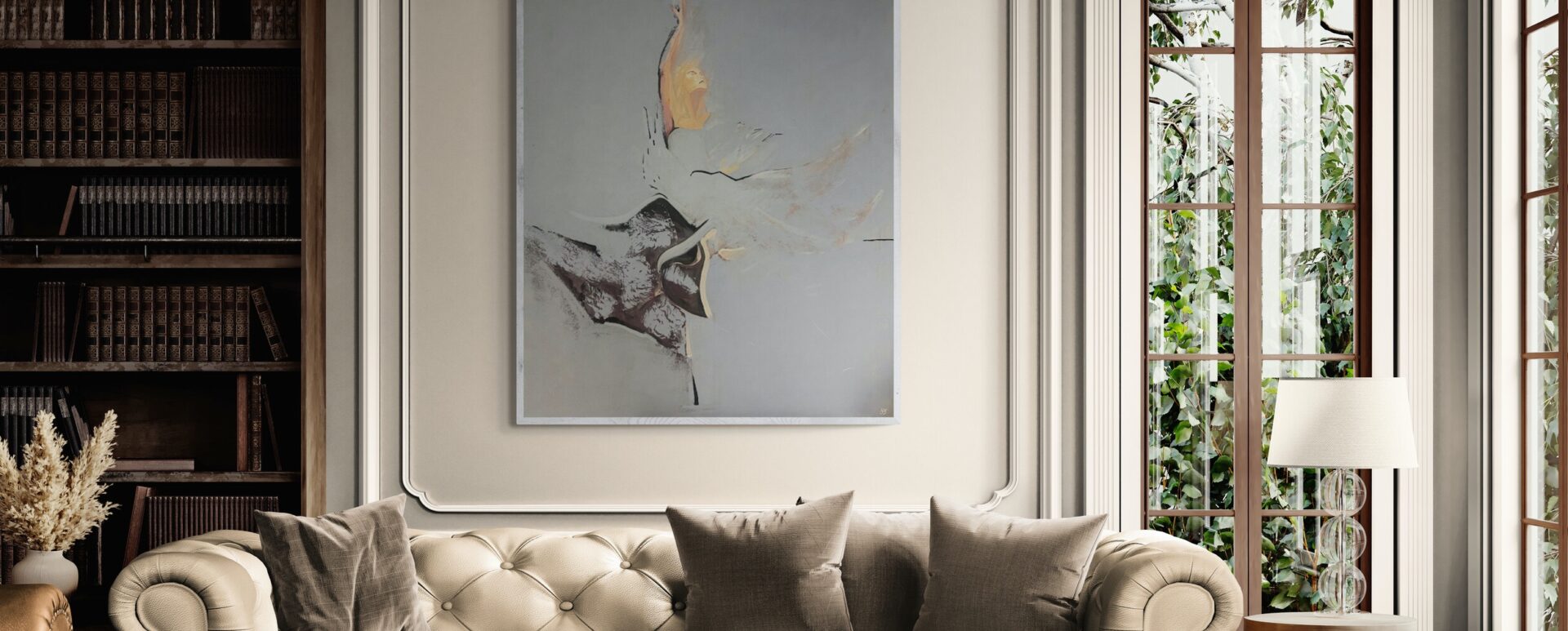
Dance has increasingly become a vital theme in contemporary art, serving as a rich medium to explore expression, identity, and the human experience. This integration highlights the dynamic relationship between movement and visual representation, creating a dialogue that transcends traditional boundaries of both disciplines.
In many contemporary artworks, dance is not merely a subject of depiction but an active, participatory force. Artists such as Marina Abramović utilize the body as a canvas, transforming performance into an act of dance that explores vulnerability, endurance, and connection. Her works invite viewers to engage with the physicality of the body, prompting reflections on the nature of presence and absence.
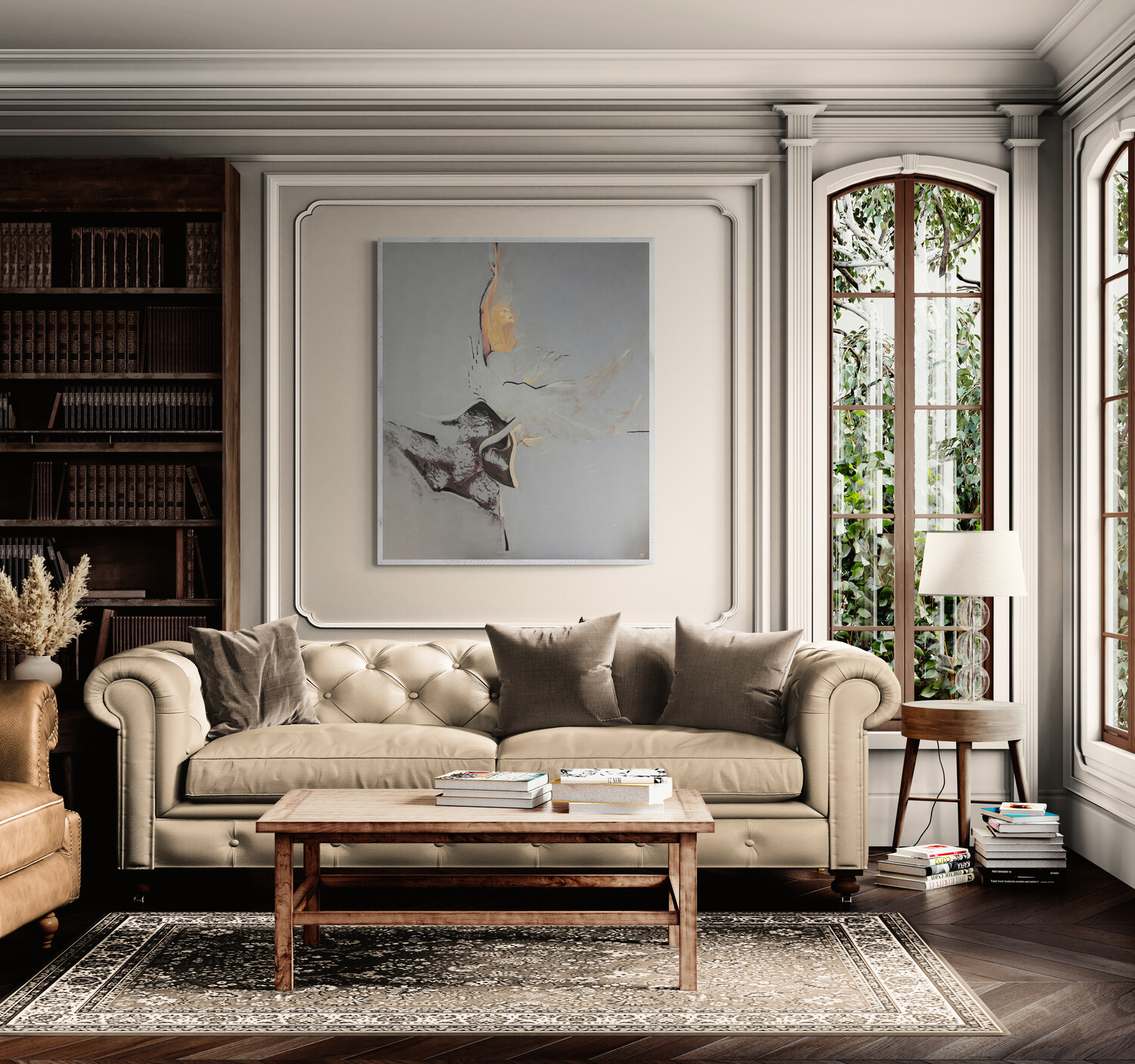
Kamila Sitak
Joy III
acrylic on canvas
Dimension: 100x120x3 cm
Year: 2026
€ 2300
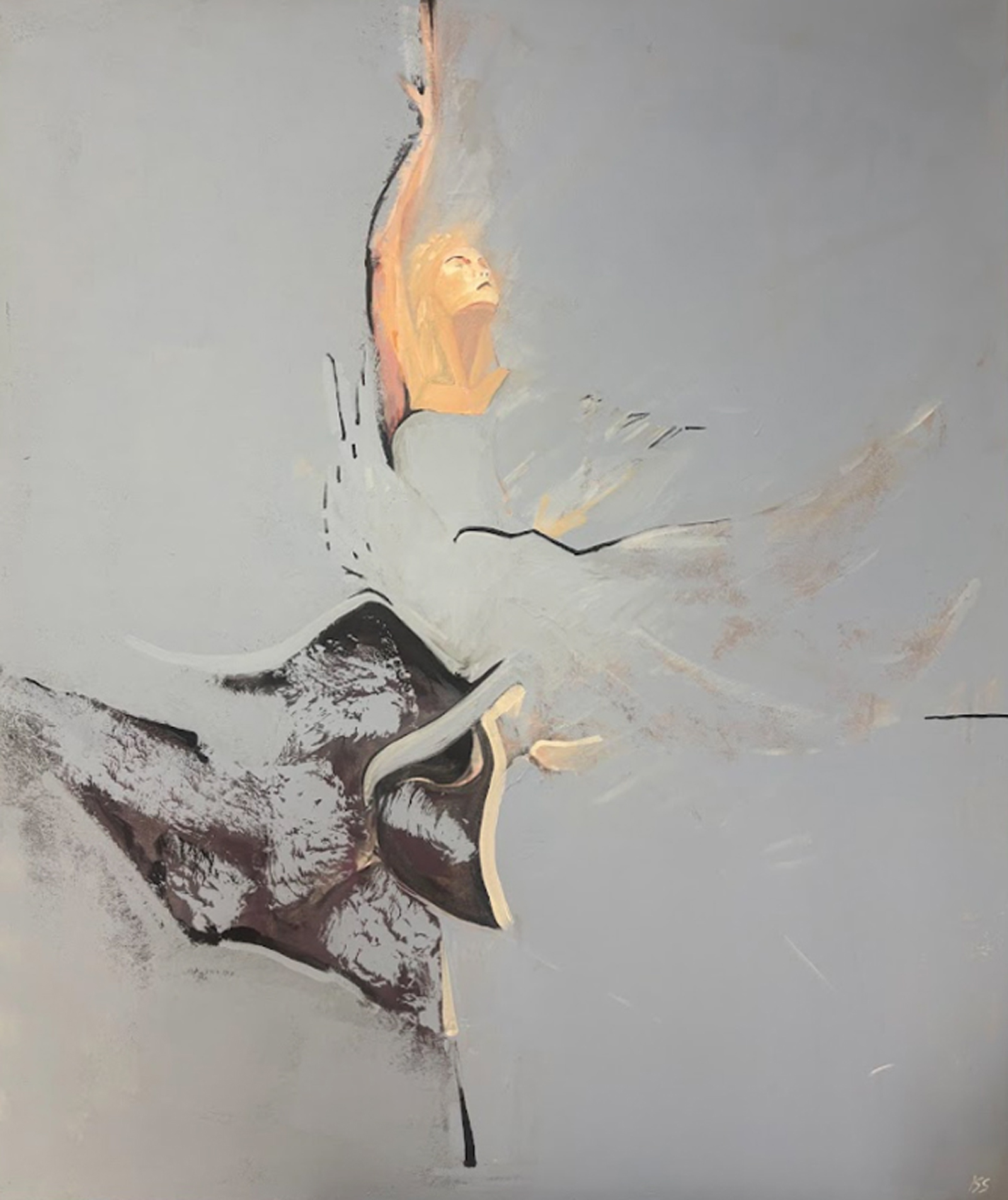
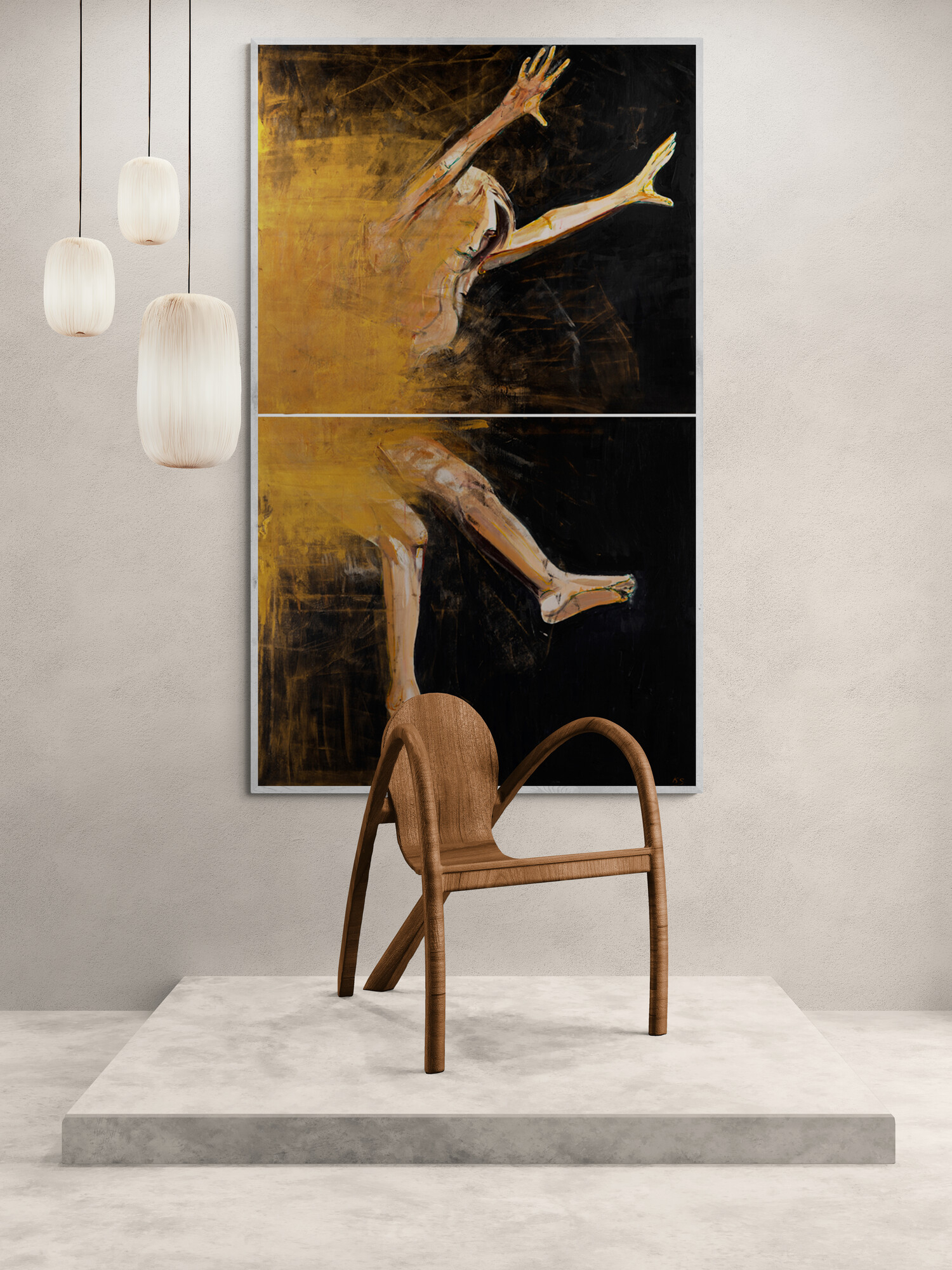
Kamila Sitak
Energy
acrylic on canvas
Dimension: 120x200x3 cm
Year: 2024
€ 4100
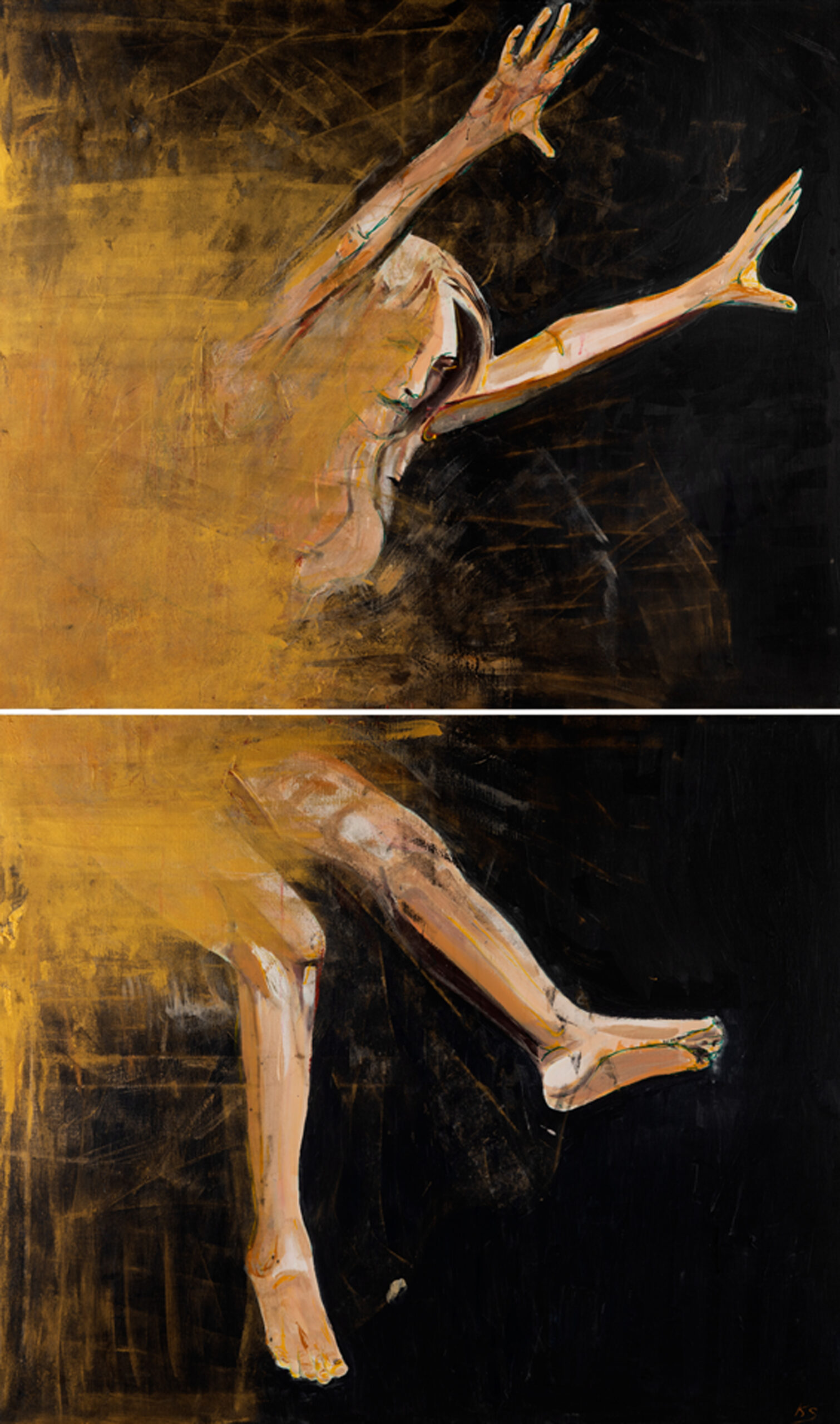
The thematic exploration of dance in contemporary art often addresses broader societal issues, such as cultural identity, gender, and social commentary. Dance as an art form inherently embodies rhythm, which can reflect cultural narratives and histories. The motif of dance has a significant influence on many artists; often their works, rich of bold, striking compositions, born from emotions and moments in life that are intertwined with dance and other forms of movement.
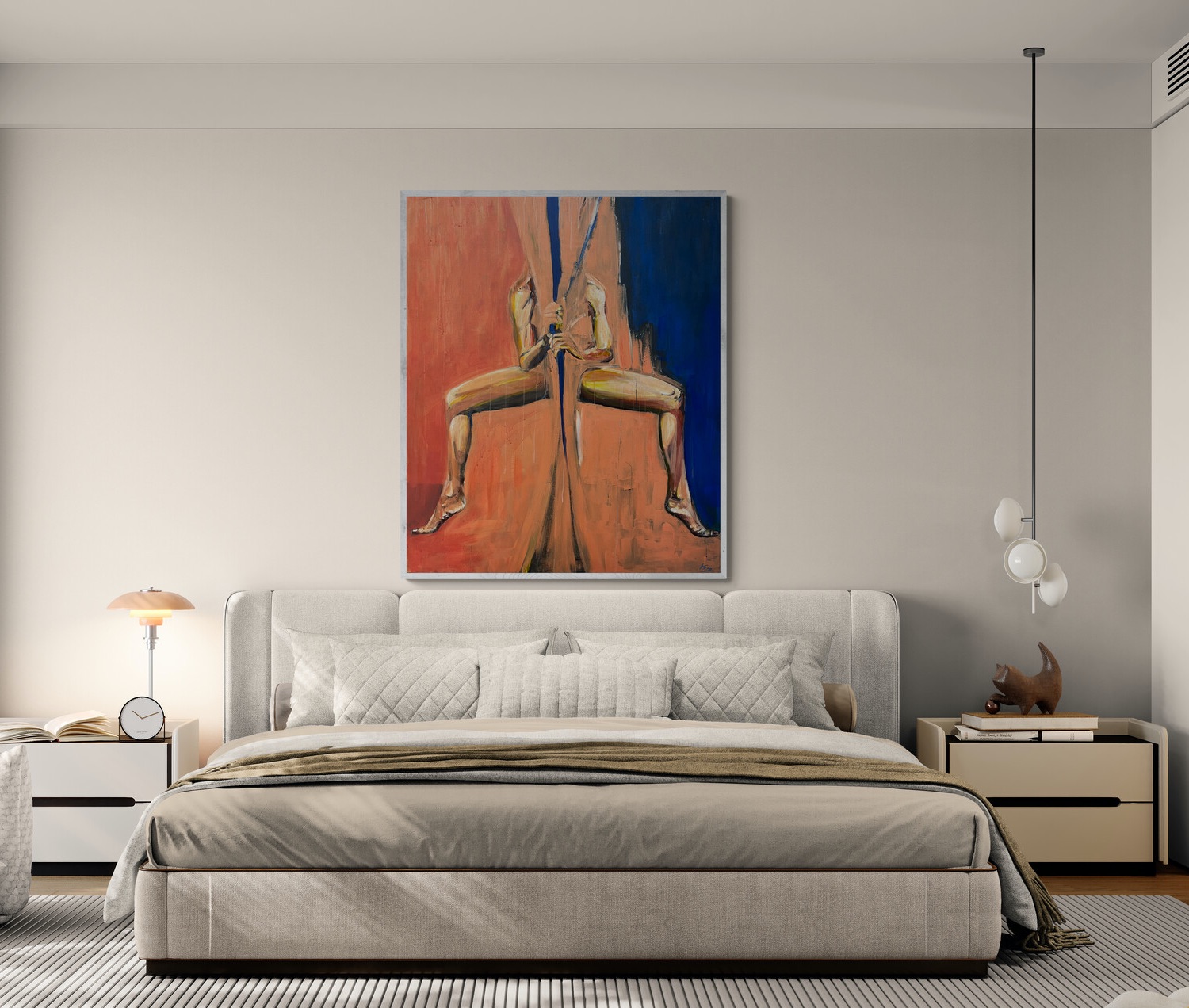
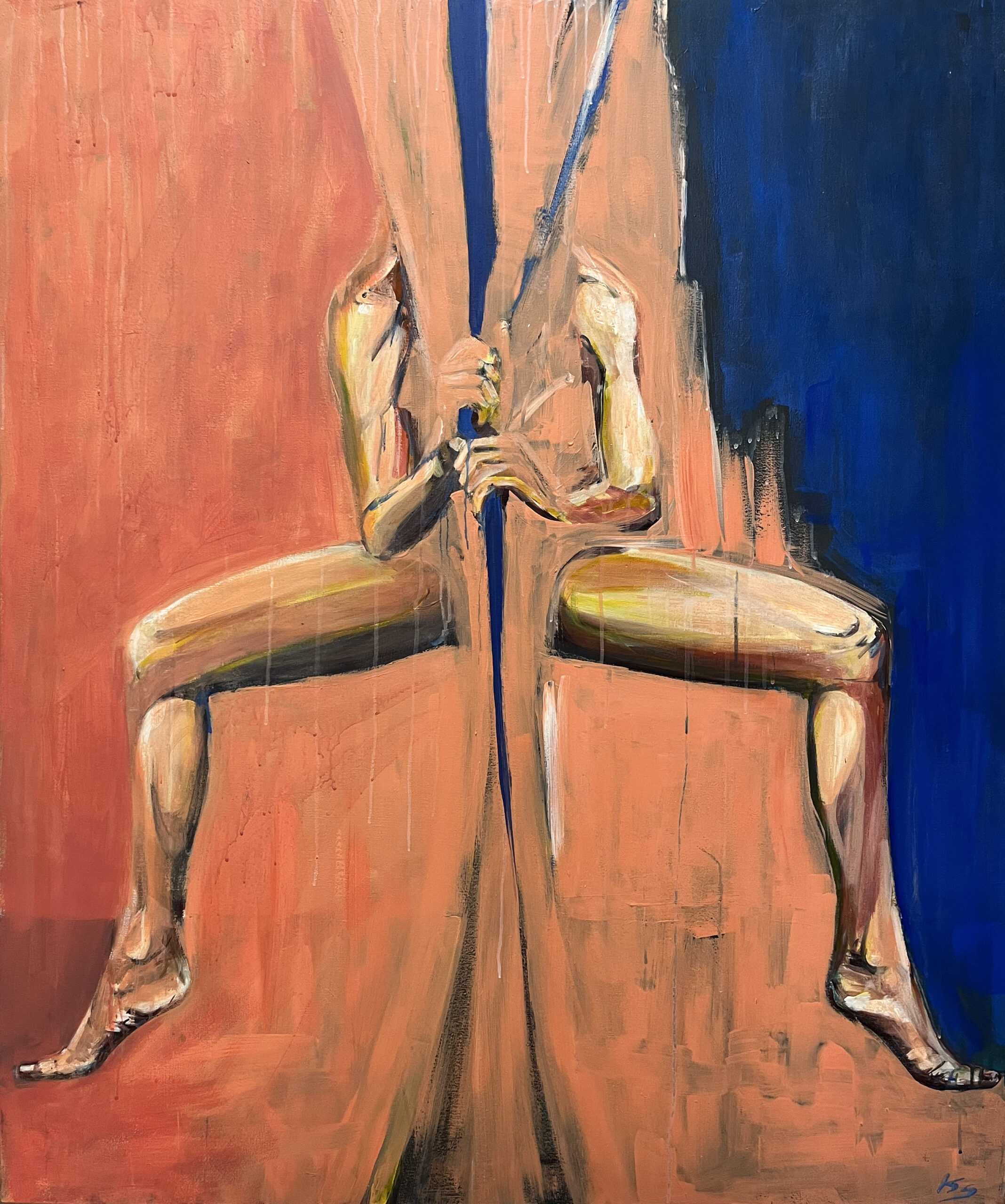
Kamila Sitak
Fire
acrylic on canvas
Dimension: 100x120x3 cm
Year: 2024
€ 2300
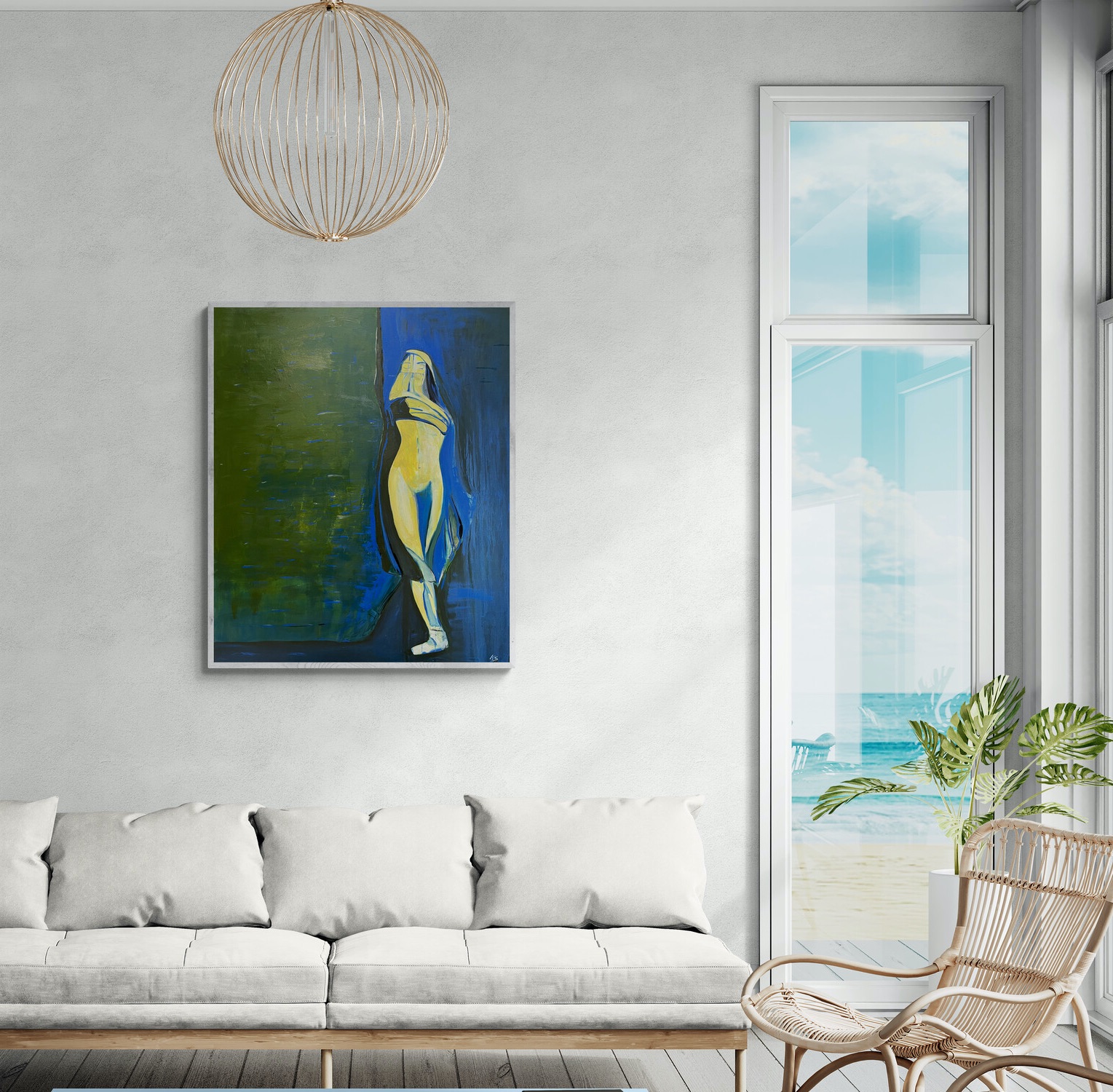
Kamila Sitak
Wind
acrylic on canvas
Dimension: 100x120x3 cm
Year: 2024
€ 2300
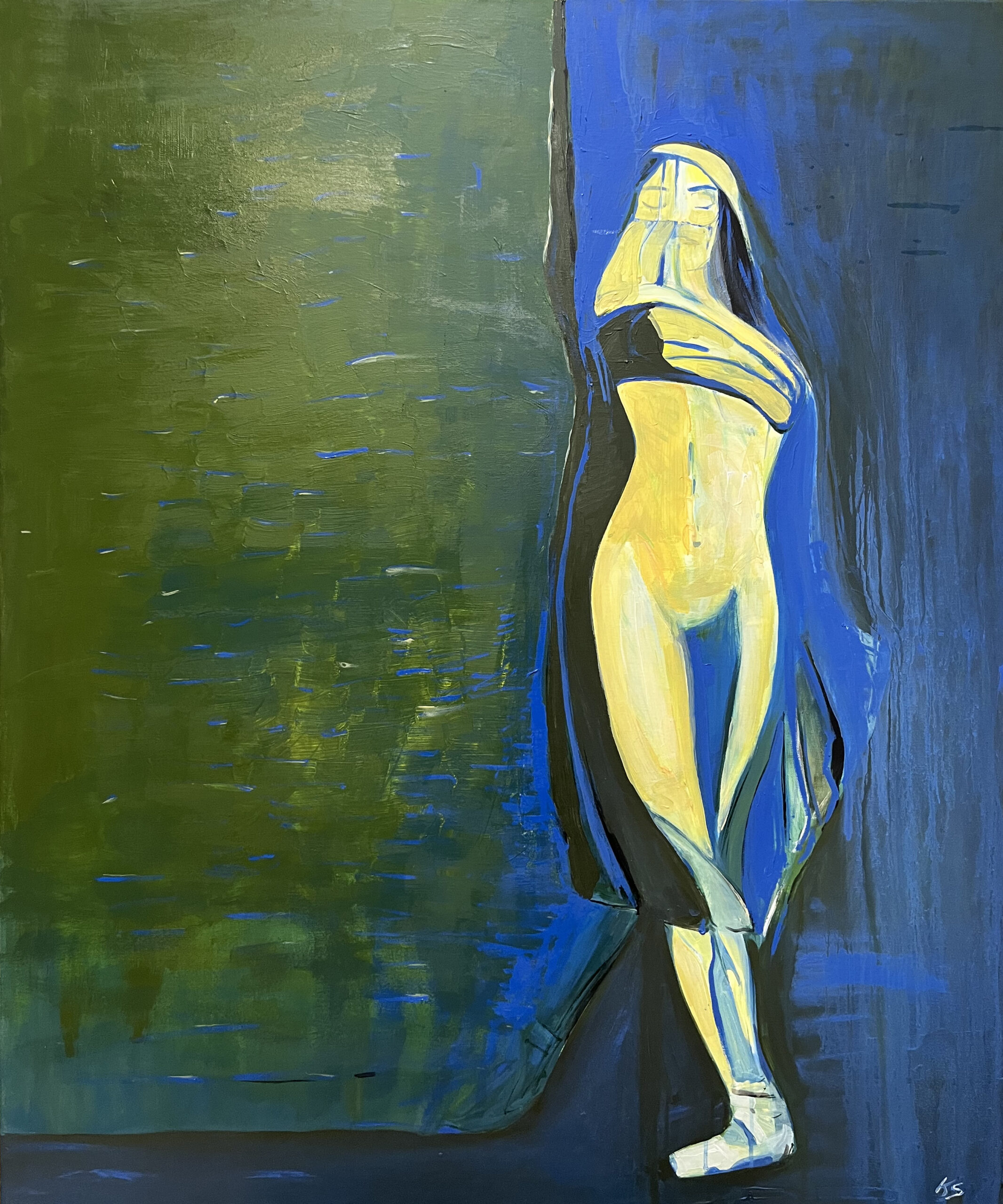
Dance becomes a temporal art form that interacts with architecture and visual aesthetics, creating an experience that is both ephemeral and profound. As contemporary artists continue to push the boundaries of movement, the interplay between dance and visual art remains a vital and evolving dialogue.
Curated by